Lawn Mowing in Barkingside

We provide lawn mowing in Barkingside for domestic gardens, shared outdoor spaces and other grassed areas that need a neat, regular cut. Our service is built around clean edges, even coverage and a finish that keeps the lawn looking cared for rather than rushed. Whether the grass needs routine maintenance or a one-off tidy-up, we focus on practical mowing work that suits the site, the lawn condition and the level of finish you want.
The service can include careful mowing, edging where appropriate and basic attention to the overall presentation of the lawn surface. Different gardens call for different approaches: some need a straightforward cut to maintain height, while others benefit from a more considered pass that deals with overgrowth, awkward corners and areas around paths or borders. If you are comparing options, a short discussion can help you decide what level of mowing is sensible for the space.
For a quotation, use the contact details on the site and tell us a little about the lawn, the access and the regularity you want. If helpful, mention whether the grass is currently short, patchy, long or mixed with thicker growth. Clearer information usually makes it easier to prepare a useful price, but a simple request is enough to begin.
Routine mowing and grass care
Routine lawn mowing is the foundation of a tidy garden, and it is usually the most efficient way to keep grass manageable through the growing season. Regular cuts help maintain a more consistent height and can make the whole garden feel more ordered, especially when the lawn is the main open feature. We can discuss how often the lawn should be cut based on its current growth rate and the level of finish you prefer, without overcomplicating the job.
In many gardens, the best result comes from a balance of mowing frequency, sensible cutting height and good attention to the edges. Shorter intervals between cuts can reduce the amount of heavy trimming required, while less frequent visits may be more suitable when a lawn is slow-growing or used less often. If you are planning ongoing care rather than a single visit, our approach is to keep the work straightforward and consistent, so the lawn remains usable and presentable.
The service is suited to different grass conditions, including recently established lawns, established family lawns and outdoor spaces that have become uneven in appearance. We can also help with basic preparation before a cut where the grass has gone beyond its normal length, although the exact approach depends on access, surface condition and what is safe to mow. For related garden upkeep, you can also look at our garden maintenance page for broader routine care.
What a lawn mowing visit may cover

A mowing visit is not only about passing a machine over the grass. Good results usually depend on how the lawn is approached, which areas are cut first and how the finish is handled around borders, garden features and narrow sections. Where appropriate, we can work around curves, steps and irregular edges so the lawn looks coherent rather than visibly sectioned off. The aim is to leave a finish that is tidy and even across the full space.
Depending on the site, the work may include edging against hard surfaces, cutting around fixed obstacles and making sure the visible grass line is neat. On gardens with mixed features, the order of work matters: the mower line, boundary finish and access routes all affect the final appearance. Where the lawn adjoins other garden tasks, it can be useful to combine the mowing with hedge or clearance work. Our hedge trimming page outlines a separate service for maintaining the shape and reach of garden boundaries.
Before booking, it helps to think about the final outcome you want. Some customers simply want the grass kept short and manageable, while others want a more polished look with clear edges and fewer uneven patches. If the lawn is very long, has wet areas or contains obstacles, that information can shape the approach and make the quotation more accurate. A small amount of preparation can make the visit smoother, but it does not need to be elaborate.
Cutting overgrown lawns
Long grass needs a different approach from routine mowing. A heavily overgrown lawn may require a careful first cut, followed by a second pass or a return visit once the grass has recovered enough to be finished properly. The priority is to reduce the height safely and sensibly without damaging the lawn surface more than necessary. Where the growth is uneven, we can adapt the cut to avoid tearing or leaving a rough finish.
Overgrown lawns often contain hidden unevenness, soft ground or debris at the base of the grass, so the work has to be judged on site. In these situations, the question is not simply how short the grass can be cut, but how to bring it back into a manageable condition while keeping the lawn in usable shape. If the garden needs more than mowing alone, a wider tidy-up may be sensible first. Our garden clearance page covers the removal of accumulated garden waste and unwanted material.
Some customers want overgrown grass reduced before a regular schedule begins, while others only need a one-off rescue cut ahead of a move, sale or seasonal refresh. Either way, it helps to describe the lawn honestly so the quotation reflects the likely effort involved. If possible, note whether the grass is simply long or whether it is mixed with weeds, fallen material or hidden edging that may slow the work. That practical detail matters more than a polished description.
Edges, borders and finishing touches
Good lawn mowing is often judged at the edges. A lawn can be cut evenly but still look unfinished if the borders, paving lines or boundary edges are messy. For that reason, we pay attention to the points where grass meets other surfaces and garden features. Clean boundaries can make a smaller lawn look more intentional and can help larger spaces feel organised without any unnecessary extra work.
Finishing touches are especially useful where a garden includes flower beds, narrow strips, pathways or irregular corners. These areas may not need heavy intervention, but they do benefit from a careful, well-judged trim so the lawn reads as a single maintained space. If your garden also needs shaping or lifting at the boundary line, the landscape gardening page may be relevant for broader changes beyond standard mowing and trimming.
Customers sometimes want to know whether mowing should be combined with other tasks in the same visit. That depends on the condition of the garden and the result you are trying to achieve. A simple lawn cut is often enough, but if the borders have become overrun or the space needs a wider tidy, a more rounded service may be better value. Keep the request focused on the main outcome you want, and we can suggest a suitable scope.
Regular maintenance plans and one-off cuts

Some lawns need a one-off cut after a period of neglect, while others benefit from a regular pattern of maintenance. The right choice depends on the growth rate, how often the garden is used and how consistently you want the space to look. Regular mowing is usually the simpler option for keeping grass at a manageable height, but a one-off visit can also restore order where the lawn has simply drifted out of shape.
If you are weighing up one-off work against repeat visits, consider whether the lawn is part of a front garden, rear garden or shared outdoor area. Spaces that are regularly seen or used tend to benefit from more predictable upkeep, while quieter gardens may only need seasonal attention. We can talk through the basic pattern that suits the site, and you can decide how far you want to go with routine care versus occasional tidy-ups. Our services overview gives a broader look at the garden work available.
Where a lawn is part of a wider maintenance job, mowing may sit alongside other simple garden tasks. If you are also thinking about hedges, shrubs or nearby growth, it can be helpful to separate what needs cutting from what needs clearing or shaping. That keeps the quotation clearer and avoids confusion about whether you need lawn care alone or a broader garden visit. A focused request usually produces a more useful response than a very general one.
Preparing for a quotation
To request a quotation, it helps to describe the lawn type, approximate size and current condition in plain terms. A brief note about access is also useful, especially if the garden is reached through a side passage, shared path or narrow gate. If there are any areas you do not want cut, or any fragile borders to avoid, include that information as well. These basics are usually enough to shape a sensible estimate.
Photographs can be useful if you already have them, especially when the grass is very long, the layout is unusual or there are obstacles around the lawn. A short message is still fine if you do not have images to hand. The important thing is to give enough detail for the work to be understood properly. That might include whether the garden is level, whether the grass is damp, and whether the cut is needed once or on a repeating basis. Clear instructions help keep the job efficient and reduce the need for back-and-forth.
If you are planning further garden work at the same time, mention that alongside the mowing request so the quotation can reflect the full scope. You do not need to prepare a long explanation, just a concise summary of what needs doing and what result you want. For straightforward enquiries, a short note is enough to start. When you are ready, ask for a quotation and we will take it from there.
Garden mowing alongside other outdoor work
Lawns often sit within a wider outdoor maintenance picture, so it is sensible to think about mowing in relation to the rest of the garden. If grass is growing against hedges, around patios or into rougher areas, the most effective approach may be to handle the lawn as part of a broader tidy-up. That does not mean adding unnecessary work; it simply means identifying the parts of the garden that affect the final look and deciding which should be addressed together.
When the lawn is part of a larger outdoor layout, you may also want to consider whether nearby surfaces, planting areas or boundary features need separate attention. In some gardens, mowing alone is enough to restore order. In others, the grass is only one part of a wider set of tasks that also includes trimming, clearing or shaping. If that sounds familiar, the landscaping page may be useful for understanding how broader garden changes sit alongside routine mowing.
We keep the service practical and clear, rather than overloading it with tasks that do not add value. That makes it easier to compare options and choose what genuinely matters for your space. The main objective is a neat lawn, but the best route to that result can vary from garden to garden. A thoughtful plan saves time and avoids paying for work that is not needed.
About Barkingside
Barkingside is a district in the London Borough of Redbridge in north-east London, best known for its mixture of suburban streets, local shopping parades and access to larger open spaces nearby. The area grew significantly in the late nineteenth and early twentieth centuries as London’s outer neighbourhoods expanded, and much of its character reflects that suburban development. One of the best-known landmarks is Valentines Mansion and Gardens in the wider Redbridge area, while Barkingside itself has a strong identity around its High Street and nearby residential roads. The district is also associated with religious and community life, including the historic Ilford Synagogue site and other local institutions that reflect the area’s changing population over time. Public transport links, including the Central line at Barkingside station, connect it to the wider city, while streets of houses, small shops and local amenities give it a distinctly local rhythm. The area sits within a broader east London landscape shaped by growth, infill development and long-established suburban patterns, and its open spaces and residential streets remain central to how it functions day to day.
Useful service options for different lawn conditions
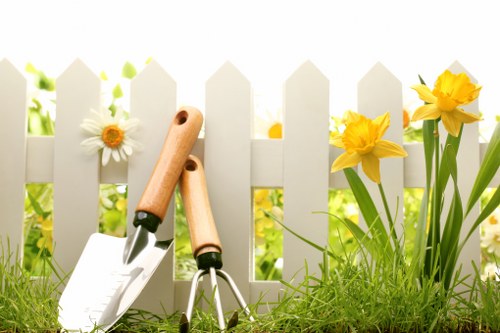
Different lawns benefit from different kinds of attention. A small, neat garden may only need a quick and regular pass, while a larger or more complicated site may need a slower, more considered cut. The condition of the grass, the shape of the lawn and the presence of borders or obstacles all influence how the work should be approached. This is why a one-size-fits-all description rarely reflects how mowing is actually carried out.
In practical terms, the main decisions tend to be about frequency, finish and scope. If the grass grows quickly, a shorter interval between cuts is often better than waiting too long. If the lawn has a decorative role, edging and presentation become more important. If the site has patches of rough growth, then the mowing plan may need to account for uneven sections or areas that should be left until later. Our lawn mowing page sets out the service itself in more direct terms.
Where lawns are part of a wider garden that also needs cutting back or thinning out, the mowing request can be combined with broader vegetation work. That keeps the visit focused and makes sure the final result is consistent from one side of the garden to the other. If you are unsure how much to include, start with the lawn and add the surrounding details that affect the finish. The key is to describe the outcome plainly rather than trying to use technical terms.
Requesting lawn mowing in Barkingside
If you need lawn mowing in Barkingside, the simplest approach is to send a clear request with the garden basics and the result you want. Mention whether it is a one-off cut or a regular visit, and note anything that could affect the work such as access, long grass, uneven ground or adjacent features that need care. A concise message is usually enough to begin a helpful quotation.
For customers who want a more complete garden tidy, the mowing can be discussed alongside other outdoor tasks so the scope feels realistic and well matched to the site. Keep the focus on the main work the lawn needs, and add only the details that affect price or finish. If you already know the level of help you want, say so directly. For a quote, please get in touch through the site and tell us about the lawn.
We aim to make the process straightforward: understand the grass condition, agree the scope and produce a sensible response. If you are comparing options or just want to restore order to the garden, a short enquiry is the best starting point. When you are ready, ask for a quotation and we can discuss the next step.